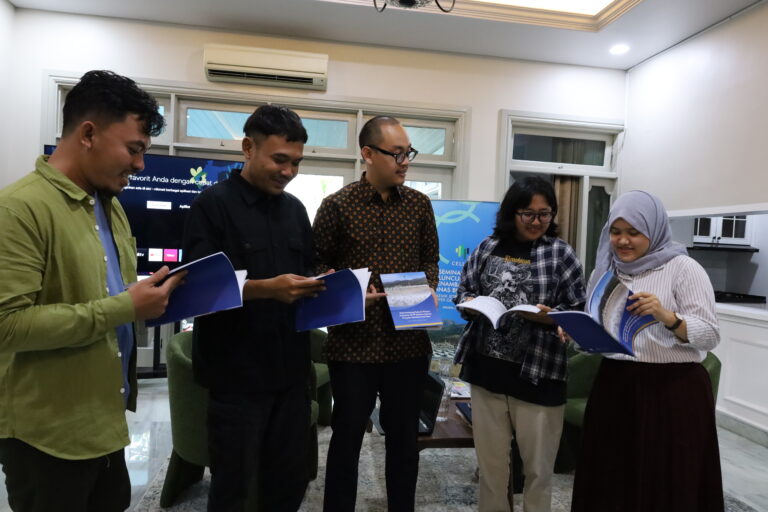
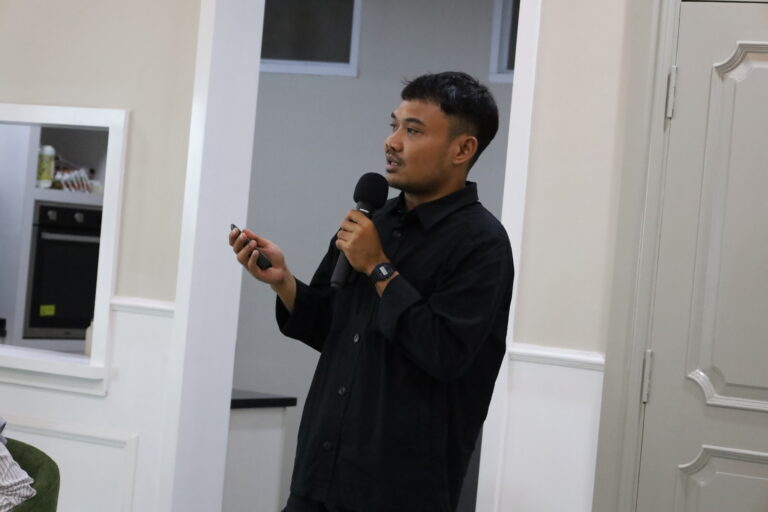

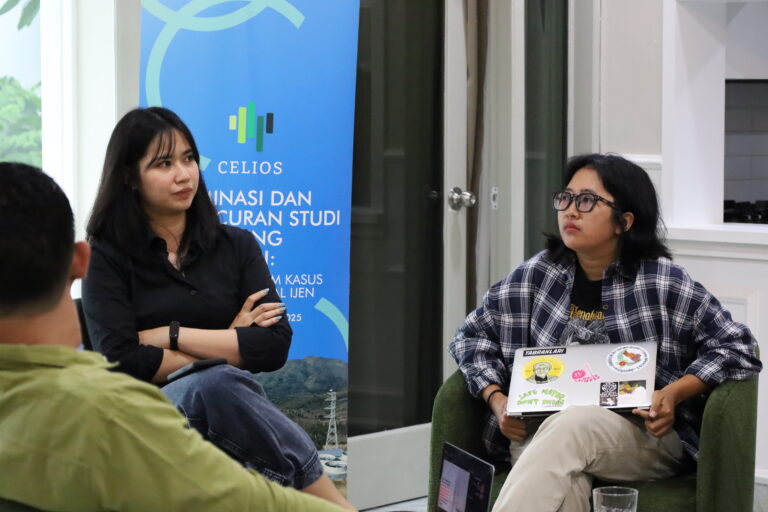
This discussion highlights findings from CELIOS’ study, which uncovered multiple violations of justice principles in the Blawan-Ijen Geothermal Power Plant (PLTP) project, funded under the JETP scheme. The study revealed discrepancies between the project’s Environmental Impact Assessment (AMDAL) documents and on-the-ground practices, including limited public consultation restricted to village heads and local authorities, excluding broader community participation. Affected residents faced difficulties in accessing grievance mechanisms, and mediation requests were ignored by the company. The project caused significant socio-economic harm, such as loss of farmland, damage to coffee and food crops, and potential long-term losses reaching billions of rupiah, with no fair compensation provided.
The findings also point to the creation of an economic enclave, where the benefits of geothermal exploitation are captured by external industrial and tourism sectors, while local communities bear the environmental and social burdens. This imbalance is worsened by unresolved land tenure conflicts, including the company’s refusal to recognize traditional land leasing arrangements between villagers and Perhutani. Researchers from ICEL and WALHI supported CELIOS’ findings, calling for a thorough review of the JETP policy framework. They emphasized the urgent need for regulatory reform, stronger monitoring and accountability mechanisms, and the integration of justice principles from the earliest stages of renewable energy projects.