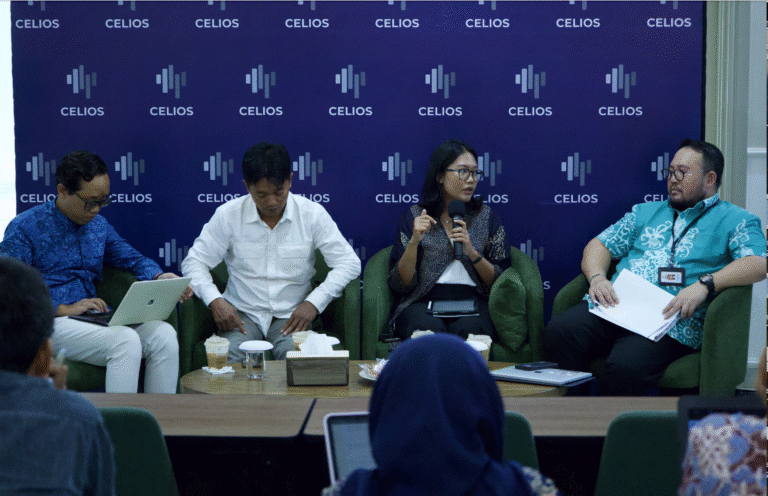
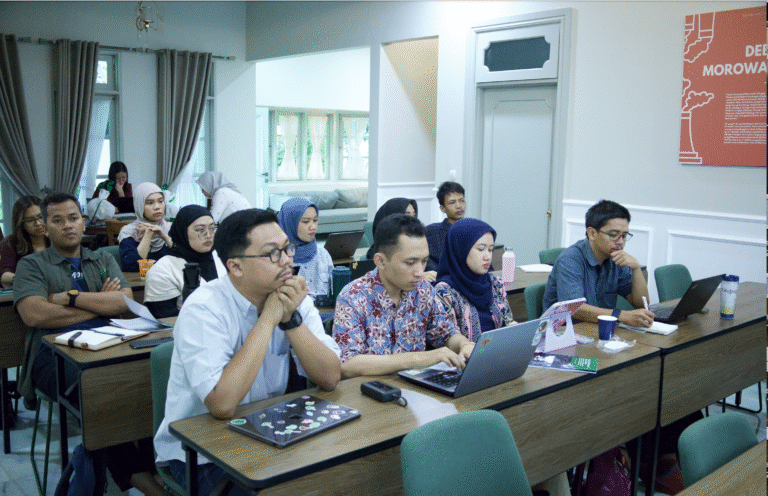
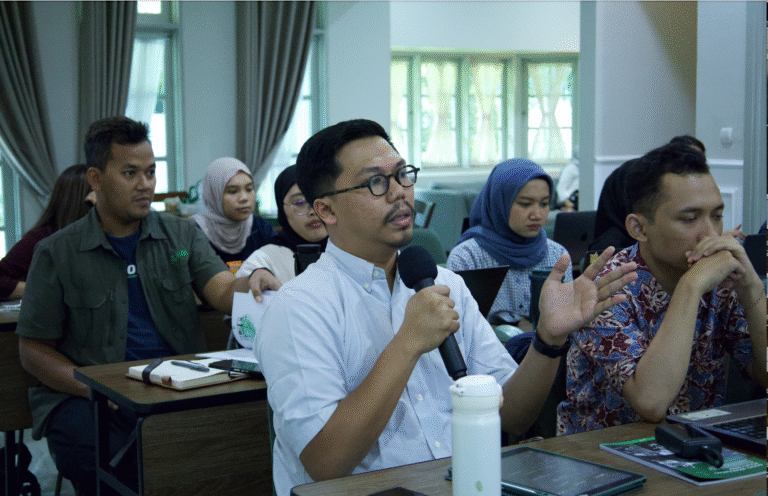
CELIOS hosted the launch of its policy brief titled “Socio-Bioeconomy: Integrating Biodiversity Conservation and Social Cohesion in Indonesia’s Economic Transformation.” This event aligns with Indonesia’s strategic shift towards a bioeconomy model as part of the National Long-Term Development Plan (RPJPN) 2025–2045, aiming to reduce reliance on fossil fuels and promote sustainable development. The discussion also contributes to the global momentum leading up to COP30 in Brazil, where biodiversity-based bioeconomy is a key agenda, emphasizing the role of indigenous communities and tropical forest management in global economic transformation.
The policy brief advocates for a socio-bioeconomy approach that centers social justice, community participation, and the protection of Indigenous and local communities. It proposes a three-phase roadmap: foundational transformation, systemic transformation, and full implementation of the socio-bioeconomy, encompassing reforms in agriculture, agrarian policy, research, and sustainable consumption and production systems. The event featured insights from key stakeholders, including government representatives, CSO, and community-based entrepreneurs, highlighting the importance of inclusive and equitable economic transformation.