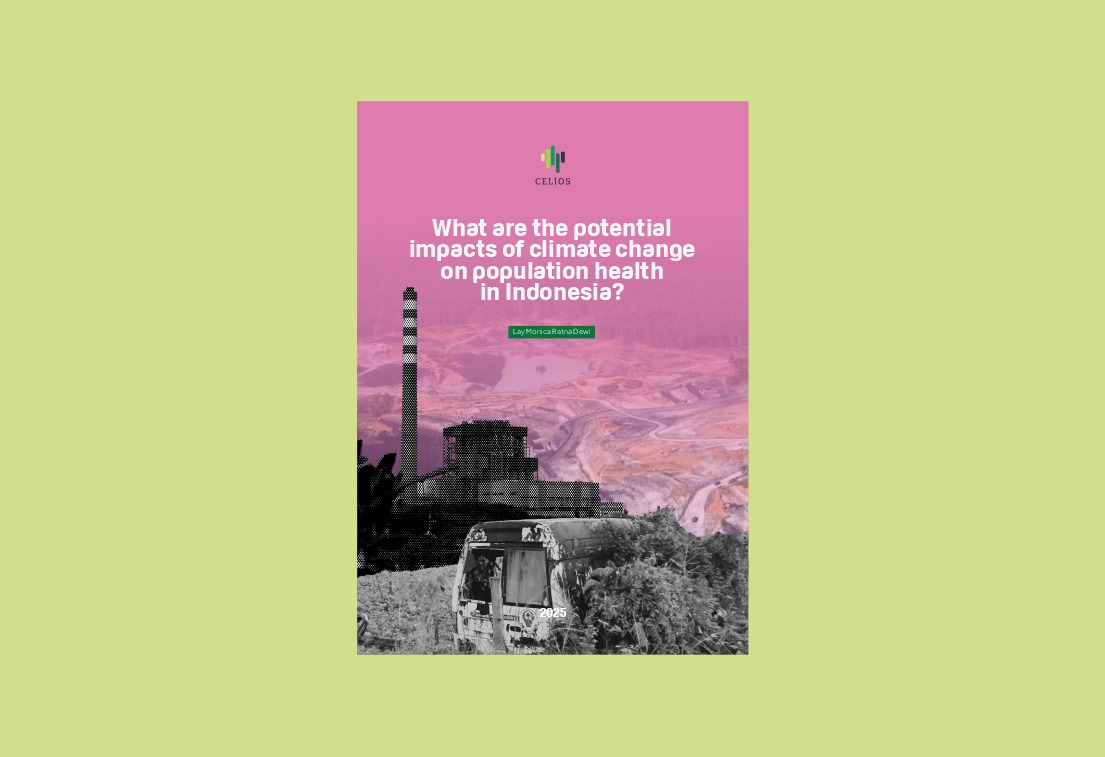
The latest CELIOS study, “Potential Impacts of Climate Change on the Health of Indonesia’s Population,” reveals that climate change is likely to increase a wide range of health problems, including heat-related illnesses, respiratory disorders, heightened risks of malaria and dengue fever, as well as cardiovascular diseases and mental health issues.
Our findings show that rising temperatures, ecosystem disruptions, and more frequent natural disasters can expand disease distribution, reduce productivity, worsen air quality and food security, and threaten the social well-being of communities.
CELIOS emphasizes that evidence-based adaptation must become a priority. The government needs to strengthen disease surveillance systems, enhance the capacity of health workers, and promote more context-specific climate-health research. Without swift and consistent action, the burden of disease and the socio-economic losses linked to climate change will continue to grow.